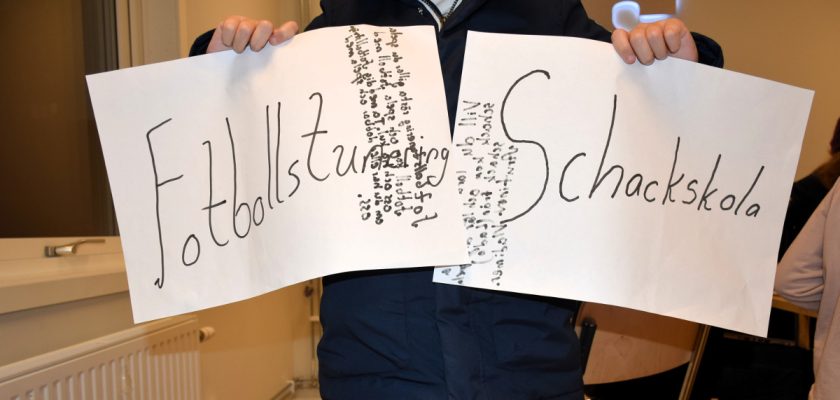
Baltic Sea cooperation studies the effects of youth participation
DigiDem Lab and Transparency International observe positive effects of youth participation following collaboration between Sweden, Lithuania, and Estonia.”
Over the past year, Digidem Lab, together with Transparency International in Lithuania and Estonia, has studied how youth participation and influence in decision-making are affected by participatory budgeting. The project, “Engaging Youth from the Baltic Sea Region into Decision-Making through Participatory Budgeting,” is now concluding and has already produced interesting results.
3 countries – Schools from Sweden, Estonia, and Lithuania have participated in the study
Bjurslättskolan in Gothenburg has been given SEK 150,000 to vote on.
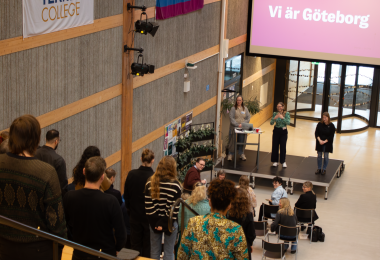
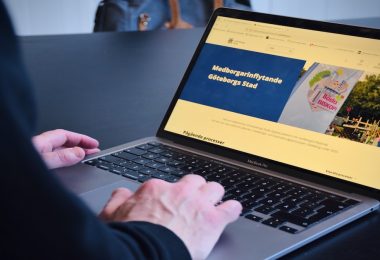
In Sweden, students at Bjurslättskolan in Gothenburg participated in the participatory budget “Your Idea” and collectively decided on the allocation of SEK 150,000. The participatory budget was a collaborative initiative within the framework of “School as an Arena,” together with property owners in Lundby. Digidem Lab supported the design and implementation of the budget, which you can read more about here and here. And now the question arises: how does participatory budgeting actually affect children’s and young people’s well-being, growing-up conditions, and sense of empowerment? Globally, the method has been shown to increase knowledge of local communities, provide practical life skills, and in the long term boost young people’s civic engagement. Could it have the same potential in the Baltic Sea region?
We have asked hundreds of students across three schools about their experiences of participation and influence before and after the participatory budget, and the responses are already showing change.
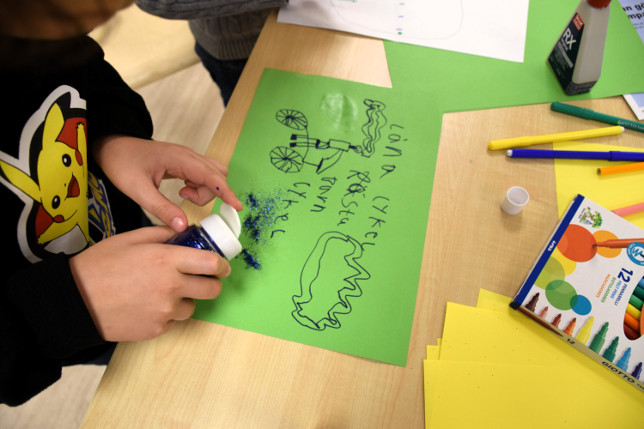
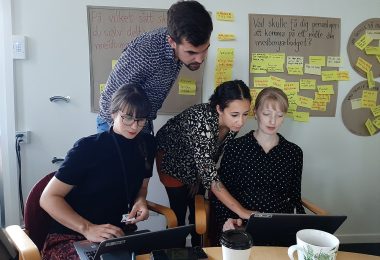
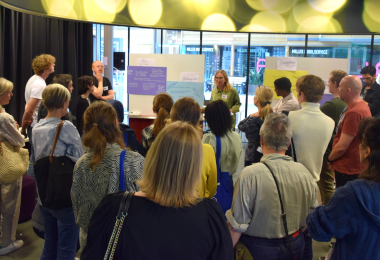
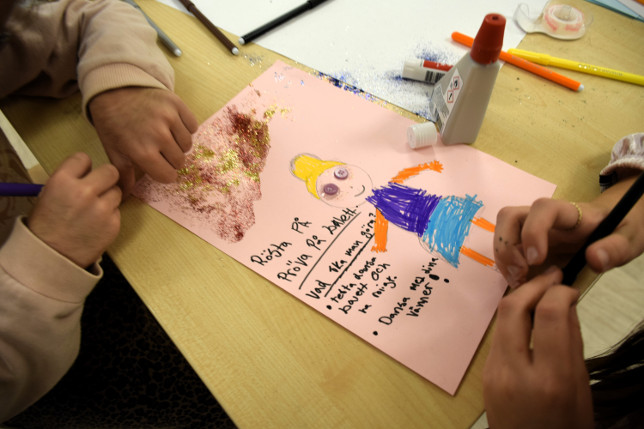 Idea workshop at Bjurslättskolan
Increased understanding of the schools budget
After just one year, 10% more students report having good or very good knowledge of how they can participate in decision-making, and six out of ten want the participatory budget to become a recurring activity.
– It’s really exciting that we can already see positive trends after such a short time! Of course, to obtain more precise results, this needs to be studied over a longer period with continuous evaluation. But this is a huge step towards creating a new generation with increased knowledge and power to shape their local community! says Sanna Ghotbi, expert in citizen inclusion and co-owner at Digidem Lab.
During the study, it was also clear that the more time teachers had to integrate the participatory budget into their classrooms, the greater the students’ engagement. It is no surprise that motivated staff with sufficient resources are a key factor.
–Through the collaboration with the school, we have been able to reach all children at the school, generating strong engagement among young people in the area where the participatory budget was implemented. Evaluations with teachers and other school staff showed that many see the participatory budget as a good model for working on the school’s democracy mission. They also noted that it is an effective way to teach children to collaborate and listen to each other, says Klara Andersson, process leader for the school in central Lundby.
Looking ahead, all schools in the three countries are eager to continue using the method. The hope in Lundby is that more areas will try participatory budgeting in collaboration with schools, and that it will eventually become an integrated approach to increasing children’s and young people’s influence.
Many students said they would like to see participatory budgeting spread to more schools. Why did we ask? Because, in the students’ words: “It’s fair,” “everyone should get to have a say,” and “so that they can have fun too!”